
Request Service Today
"*" indicates required fields
What Happens Next?
Step 1: Reach Out
Call, text, or submit our intake form. We’ll respond promptly to learn more about the property and your concerns.
Step 2: Initial Assessment
We’ll review the age of the property, affected materials, available reports, photos, and any renovation or demolition plans.
Step 3: Testing and a Clear Scope
If testing has not already been completed, samples may need to be collected by a qualified third-party consultant or laboratory before materials are disturbed. Once the results are available, we can prepare a clear scope of work and estimate.
Step 4: Safe, Controlled Abatement
Our team establishes the required controls, removes asbestos-containing materials, cleans the work area, and coordinates proper disposal in accordance with the applicable Ontario requirements.
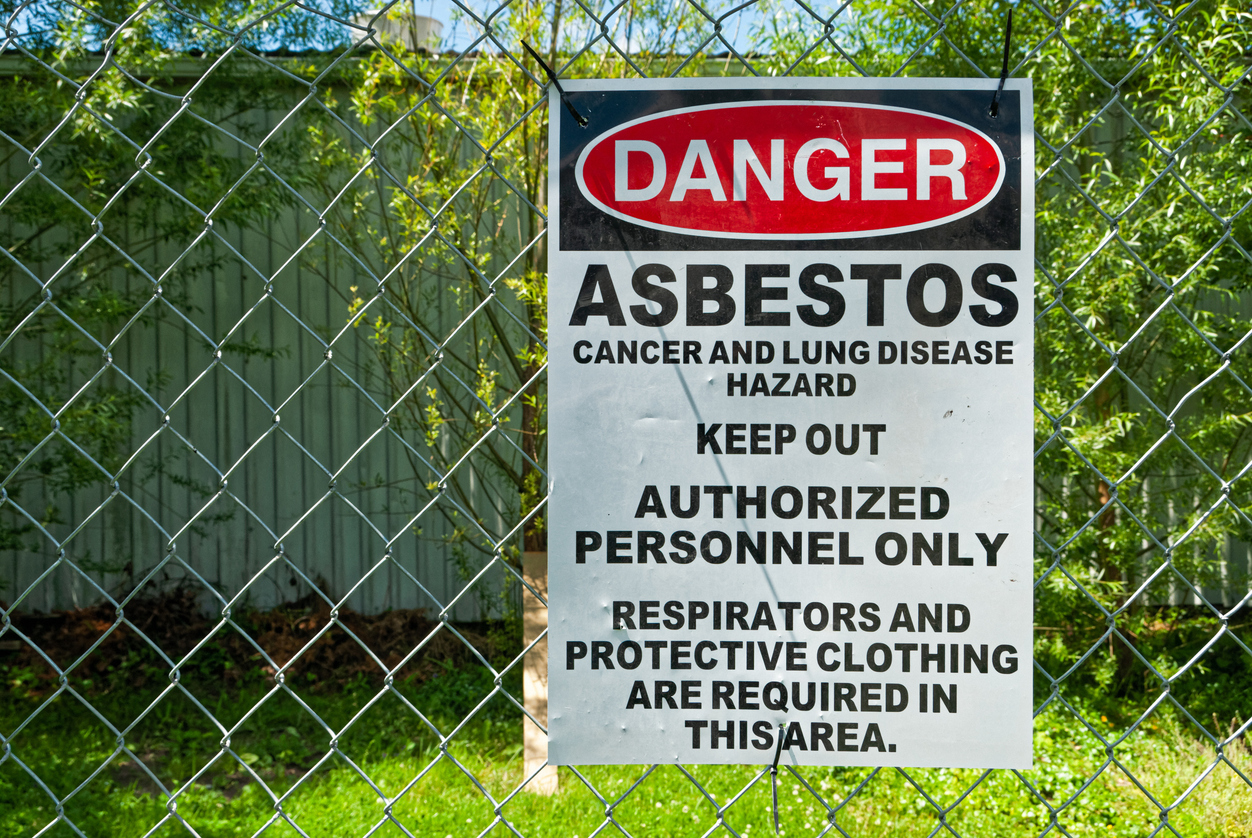
Could Asbestos Be Affecting Your Project?
- You’re renovating a home or building constructed before the 1990s
- You have damaged or deteriorating insulation, flooring, drywall, or ceiling materials
- Suspected asbestos was uncovered during demolition
- A home inspection or designated substance survey identified asbestos
- You need asbestos-containing materials removed before repairs, renovations, or demolition
- A contractor has stopped work pending asbestos testing or abatement
Don’t Panic, Asbestos Can Be Managed Safely.
Professional Asbestos Abatement That Protects Your Property and the People Inside It
When asbestos-containing materials are disturbed, microscopic fibres can become airborne. Emdecon provides carefully planned containment, removal, cleaning, and disposal services to help prevent asbestos fibres from spreading throughout the property.
- Documentation available for property owners, contractors, and insurers
- Discreet, respectful service
- Responsive scheduling for urgent discoveries
- Trained personnel and appropriate protective equipment
- Controlled containment and HEPA filtration
- Residential and commercial service
Asbestos Abatement Services
Asbestos was used in many building products because of its strength, durability, and resistance to heat and fire. It may be present in homes, commercial buildings, apartments, schools, and industrial properties, particularly in older structures.
Asbestos-containing materials are not always an immediate hazard when they are intact and left undisturbed. The risk increases when those materials are cut, drilled, sanded, broken, deteriorated, or removed without proper controls.
If asbestos has been identified, or you suspect it may be present, do not disturb the material. Emdecon can review the situation and help determine the appropriate next steps.
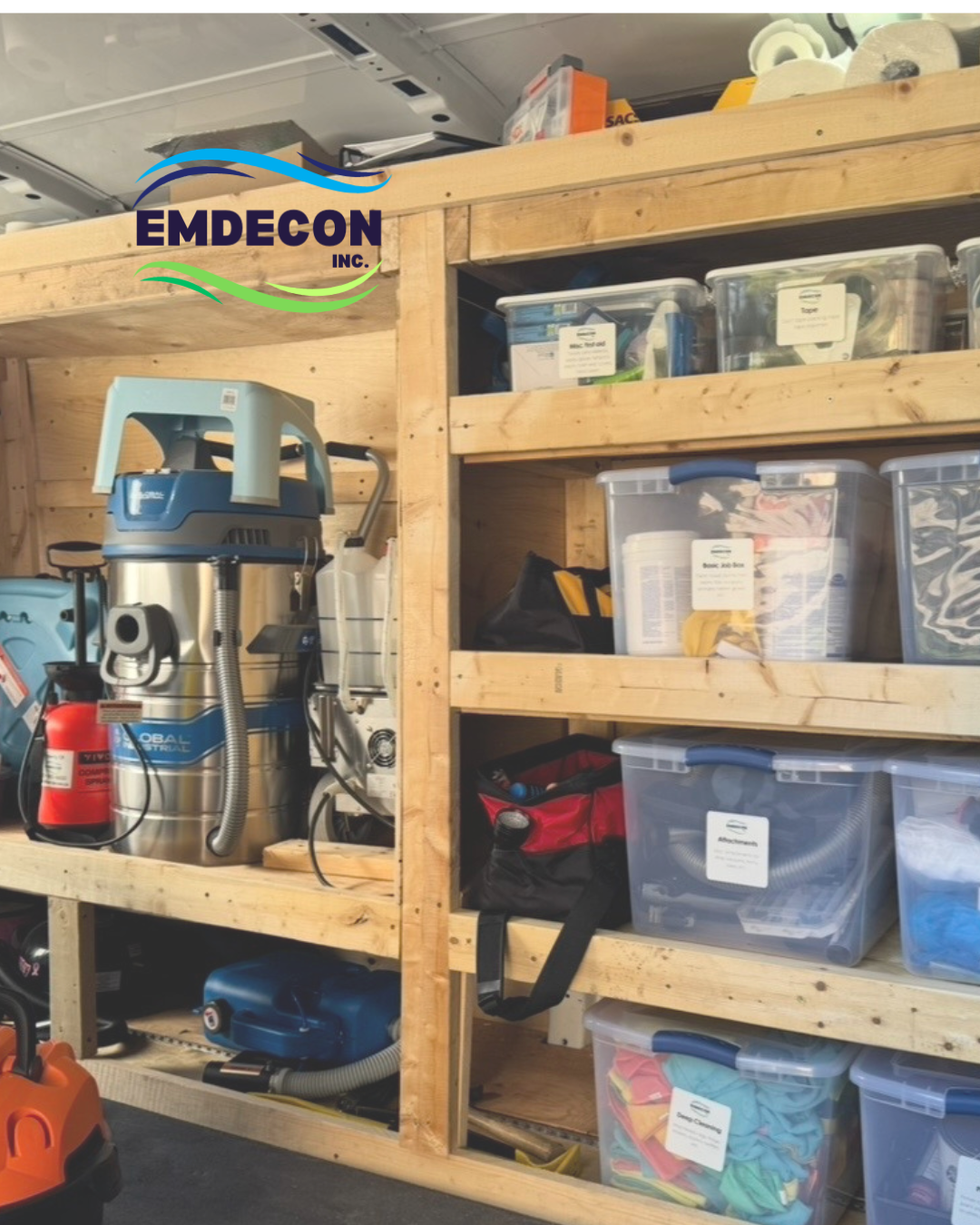
Is Asbestos Dangerous?
Asbestos becomes hazardous when fibres are released into the air and inhaled. This can happen when asbestos-containing materials are damaged, deteriorating, or disturbed during renovation, repair, or demolition.
Exposure to airborne asbestos fibres is associated with serious long-term health conditions. These illnesses may take many years to develop, which is why asbestos-containing materials must be handled carefully.
You should never drill, sand, scrape, cut, sweep, or vacuum a suspected asbestos-containing material with ordinary equipment.
If you uncover a suspected material, stop work and keep people away from the area until it has been assessed.
How Much Does Asbestos Abatement Cost?
Every asbestos project is different. Pricing may be affected by:
- The type and amount of asbestos-containing material
- Whether the material is friable or non-friable
- The Type 1, Type 2, or Type 3 operation classification
- The size and complexity of the containment
- Accessibility and working conditions
- Whether the property is occupied
- Required decontamination and air-filtration equipment
- Waste packaging, transportation, and disposal
- Independent consulting, testing, or clearance requirements
- Repairs or reconstruction required after removal
Small, accessible projects may be relatively straightforward, while large-scale removal involving friable materials and full containment can be significantly more involved.
We provide a written scope and transparent pricing before abatement begins. If unexpected materials or conditions are discovered, we explain the issue and obtain authorization before completing additional work.
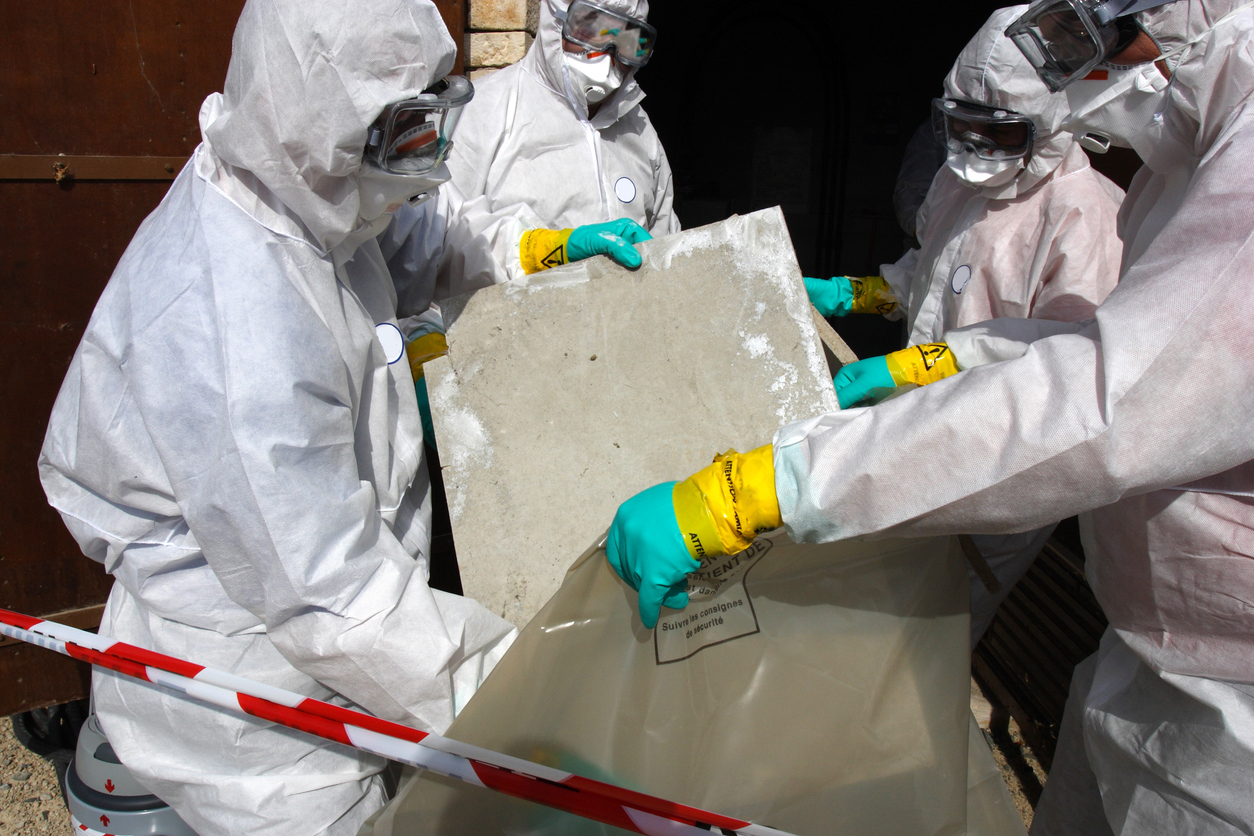
Asbestos Materials We Can Help Address
Our team can assess projects involving:
- Vermiculite insulation
- Asbestos-containing flooring
- Vinyl floor tiles and sheet flooring
- Flooring adhesives and black mastic
- Drywall joint compound
- Textured and stippled ceilings
- Plaster walls and ceilings
- Pipe and mechanical insulation
- Duct wrap
- Asbestos-cement products
- Roofing and siding materials
- Materials uncovered during restoration work
- Asbestos discovered in hoarded or heavily contaminated properties
- Materials affected by water, fire, mould, sewage, or biohazard contamination
Because Emdecon specializes in complex cleaning, demolition, decontamination, and remediation, we are equipped to manage properties where asbestos is only one part of a larger environmental concern.
Before You Renovate or Demolish
Renovation work can disturb hidden asbestos-containing materials behind walls, beneath flooring, above ceilings, and around mechanical systems.
Before beginning work in an older building:
- Do not assume a material is asbestos-free based on appearance
- Have suspect materials assessed before disturbing them
- Provide contractors with available asbestos reports
- Stop work if an unexpected suspect material is uncovered
- Keep occupants away from dust and debris
- Do not attempt to clean suspected asbestos dust with a household vacuum
Planning ahead protects workers and occupants and can prevent contamination from spreading beyond the original work area.
Frequently Asked Questions About Asbestos Abatement
Here are answers to some of the questions our clients have asked about asbestos abatement in Ottawa.
What is asbestos abatement?
Asbestos abatement is the controlled management, removal, encapsulation, enclosure, cleaning, and disposal of asbestos-containing materials using procedures intended to prevent the release and spread of asbestos fibres.
The appropriate approach depends on the material, its condition, its location, and whether it will be disturbed.
How do I know whether a material contains asbestos?
You usually cannot determine whether a material contains asbestos just by looking at it. A representative sample must generally be collected safely and analyzed by an accredited laboratory.
If you suspect asbestos, do not break or disturb the material to collect your own sample. Contact a qualified environmental professional for guidance.
Does every older home contain asbestos?
No. However, many older homes and buildings contain one or more building products that may include asbestos. The only reliable way to confirm whether a suspect material contains asbestos is through laboratory analysis.
Is asbestos dangerous if it is not disturbed?
Intact asbestos-containing material may present a lower risk when it is in good condition and will remain undisturbed. It can become hazardous when it deteriorates or is drilled, cut, sanded, scraped, broken, removed, or otherwise disturbed.
A qualified professional can help determine whether removal, repair, encapsulation, enclosure, or ongoing management is appropriate.
Can I remove asbestos myself?
Asbestos removal can release microscopic fibres that are not visible to the naked eye. Improper removal can contaminate the work area, adjacent rooms, clothing, tools, vehicles, and HVAC systems.
Ontario requirements vary based on the material, quantity, condition, and method of removal. Professional assessment and abatement are strongly recommended.
What should I do if asbestos is discovered during renovation?
Stop work immediately. Do not sweep, vacuum, or continue disturbing the area. Restrict access, turn off equipment that may spread dust when it is safe to do so, and contact an asbestos professional.
Testing and an abatement plan may be required before renovation can continue.
What is the difference between friable and non-friable asbestos?
Friable asbestos-containing material can be crumbled, pulverized, or reduced to powder by hand pressure when dry. It generally presents a greater risk of releasing fibres.
Non-friable material is more firmly bound within another product. However, it can still release fibres if it is cut, drilled, sanded, broken, or deteriorated.
What are Type 1, Type 2, and Type 3 asbestos operations?
These are classifications established under Ontario’s asbestos regulation. The classification is based on factors such as the material, its condition, the amount involved, and the tools or work methods being used.
Each classification has specific procedures, protective measures, and training requirements.
Do I need to leave the property during asbestos abatement?
That depends on the location and extent of the work, the containment design, and the property layout. Occupants may be able to remain in unaffected areas during some projects. Temporary relocation may be recommended for larger projects or where safe separation cannot be maintained.
We will explain access restrictions before work begins.
How long does asbestos abatement take?
Small, straightforward projects may be completed within one or two days. Larger projects requiring extensive containment, demolition, cleaning, or clearance testing may take several days or longer.
The anticipated schedule will be explained in your written scope.
Is asbestos testing included in the abatement estimate?
Testing may be a separate service completed by an independent environmental consultant or laboratory. If you already have a report, send it to us with your inquiry.
Using independent testing and clearance professionals helps preserve objective documentation.
Is air testing required after asbestos removal?
Air-clearance testing may be required for certain operations and may also be recommended based on the size, location, or sensitivity of the project. When clearance testing is needed, it should be completed by a qualified independent professional.
What happens to asbestos waste?
Asbestos waste is carefully sealed, labelled, handled, transported, and disposed of at an authorized waste facility in accordance with applicable requirements.
It cannot be placed in ordinary household garbage or disposed of as standard construction debris.
Can you remove asbestos before mould or water-damage remediation?
Yes. Asbestos is sometimes discovered when water-damaged, mould-contaminated, or otherwise damaged building materials need to be removed.
The asbestos hazard must be properly assessed and controlled before other remediation or demolition work proceeds. Emdecon can develop a coordinated scope when multiple environmental hazards are present.
Does insurance cover asbestos removal?
Coverage depends on the insurance policy and the event that led to the removal. Asbestos abatement may sometimes be included when removal is necessary as part of an insured water, fire, or other sudden loss.
We can provide estimates, photographs, invoices, and supporting project documentation for your insurer or adjuster.