
Request Service Today
"*" indicates required fields
What Happens When You Contact Us?
24/7 Emergency Response for Sewage, Wastewater & Contaminated Water
- You’ll speak directly with a team member. No call centres
- We listen and understand your situation with care
- We explain exactly what happens next and answer any questions
- We can assess the situation by phone, photos, or an in-person visit
We handle everything from start to finish so you don’t have to.
SEWAGE BACKUP CLEANUP.
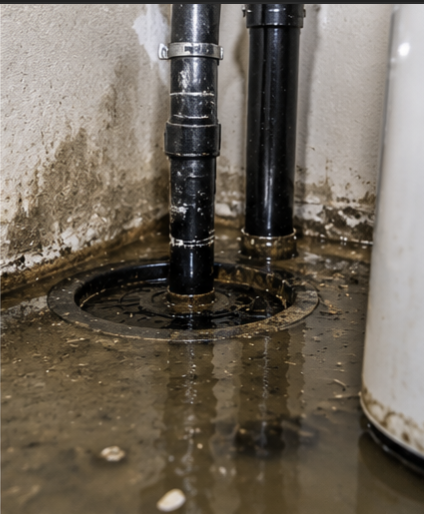
A sewage backup isn’t simply a water damage problem. Sewage and wastewater can contain bacteria, viruses and other contaminants that may create serious health risks and affect flooring, drywall, insulation, contents and other building materials.
Emdecon provides professional sewage backup cleanup and decontamination throughout Ottawa and Eastern Ontario.
Our team can assess the affected areas, remove contaminated water and materials, clean and decontaminate salvageable surfaces, establish professional drying equipment and prepare the property for restoration.
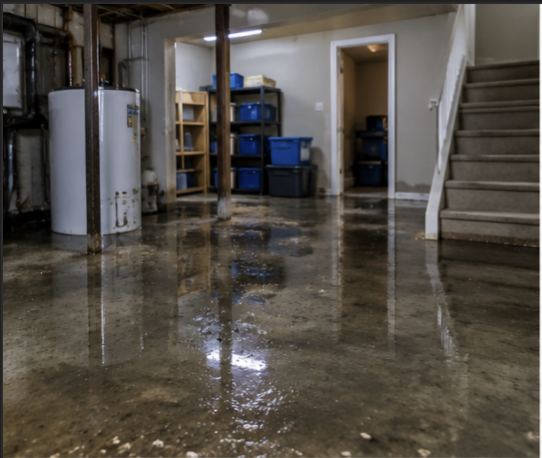
OUR SEWAGE CLEANUP PROCESS.
From Contamination to a Clean, Dry Structure
1. DAMAGE & CONTAMINATION ASSESSMENT
We inspect the affected areas to determine how far the water and contamination have travelled, identify affected materials and develop an appropriate remediation plan.
2. CONTAINMENT & SITE PREPARATION
Where required, containment and appropriate protective measures are established to help prevent contaminants from spreading into unaffected areas during remediation.
3. SEWAGE & WATER REMOVAL
Standing sewage and contaminated water are removed using appropriate professional equipment so remediation can proceed.
4. REMOVAL OF CONTAMINATED MATERIALS
Porous materials that cannot be effectively decontaminated may require controlled removal. Depending on the loss, this can include drywall, insulation, carpet, underpad, flooring and other affected materials.
5. CLEANING & DECONTAMINATION
Remaining structural surfaces and salvageable materials are thoroughly cleaned and treated using professional products and procedures appropriate for the contamination present.
6. STRUCTURAL DRYING
Once contamination has been addressed, air movers, dehumidifiers and other professional drying equipment may be established to remove remaining moisture from the structure.
7. MOISTURE MONITORING
Affected building materials are monitored during the drying process to confirm moisture levels are progressing toward appropriate drying goals.
8. FINAL CLEANING & RESTORATION PREPARATION
Once remediation and drying are complete, the affected area receives final cleaning and can be prepared for repairs or reconstruction as required.
WHY CHOOSE EMDECON?
Restoration & Decontamination Expertise Under One Roof
A sewage loss requires more than removing contaminated water. The entire loss must be considered, including biological contamination, damaged building materials, structural moisture, odours and potential environmental hazards.
Emdecon provides a coordinated approach to sewage remediation and property restoration throughout Ottawa and Eastern Ontario.
24/7 Emergency Response
Help is available when unexpected property damage occurs.
IICRC Certified Firm
Professional restoration practices backed by industry training and standards.
Restoration & Decontamination
Water damage, structural drying and contamination can be managed through one restoration company.
Professional Restoration Equipment
Commercial drying, filtration, containment and remediation equipment is available when required.
Complex Loss Experience
Our background in biohazard and environmental remediation allows us to address challenging contamination beyond conventional water damage.
Clear Communication
We explain what we’re finding, what needs to happen and why throughout the restoration process.
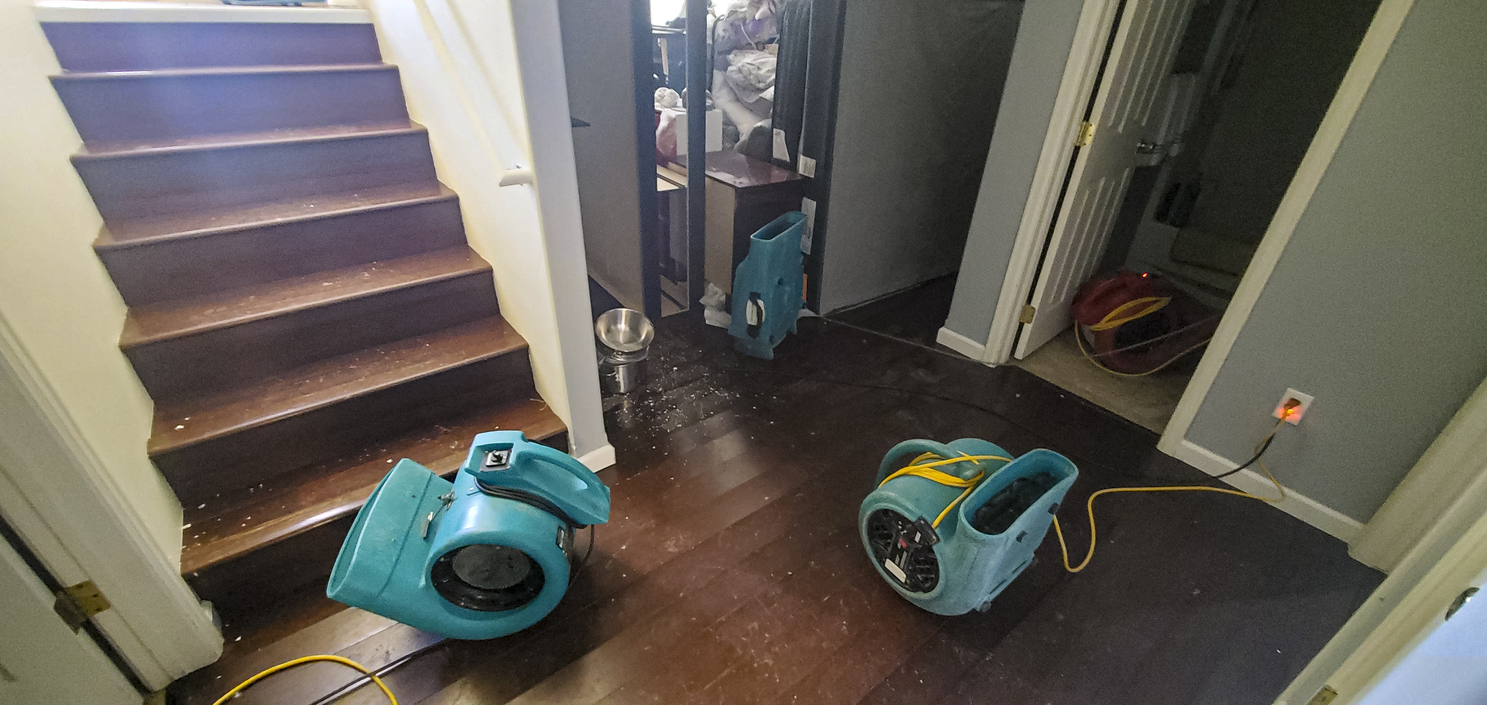
STRUCTURAL DRYING AFTER SEWAGE DAMAGE.
Decontamination Comes First. Drying Comes Next.
Removing visible sewage doesn’t mean the structure is dry.
Moisture can remain trapped in framing, subfloors, wall assemblies and other building materials.
Once contaminated materials have been removed and remaining surfaces appropriately cleaned and decontaminated, professional drying equipment can be established.
Depending on the loss, this may include:
- Commercial dehumidifiers
- Air movers
- Air filtration equipment
- Moisture meters
- Regular moisture monitoring
- Controlled drying of structural materials
Proper drying helps reduce secondary property damage and the conditions that can contribute to mould growth.
MOULD AFTER A SEWAGE BACKUP.
Moisture Can Create Additional Problems
Sewage losses can leave significant moisture inside a building.
When affected materials remain wet, conditions may become favourable for microbial growth.
If mould is discovered during remediation, or if the property has remained wet for an extended period, additional mould remediation may be required.
Because Emdecon provides both water damage restoration and mould remediation, we can address these interconnected issues as part of a coordinated remediation plan.
HIDDEN HAZARDS DURING SEWAGE REMEDIATION.
One Loss Can Involve Multiple Hazards
A sewage backup can become more complicated once walls, ceilings or flooring need to be removed.
Emdecon specializes in complex property losses where multiple hazards may exist at the same property.
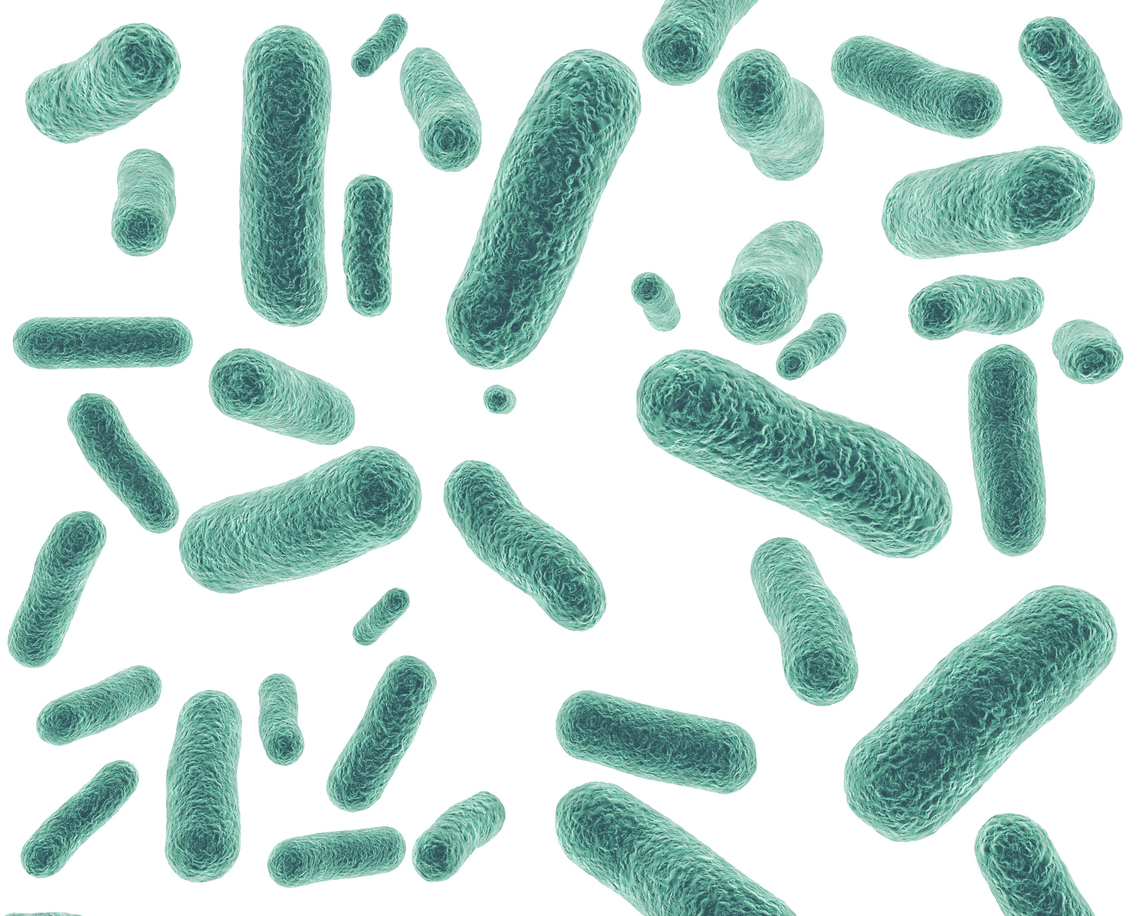
BIOLOGICAL CONTAMINATION
Sewage and wastewater can introduce potentially harmful biological contaminants into the property.
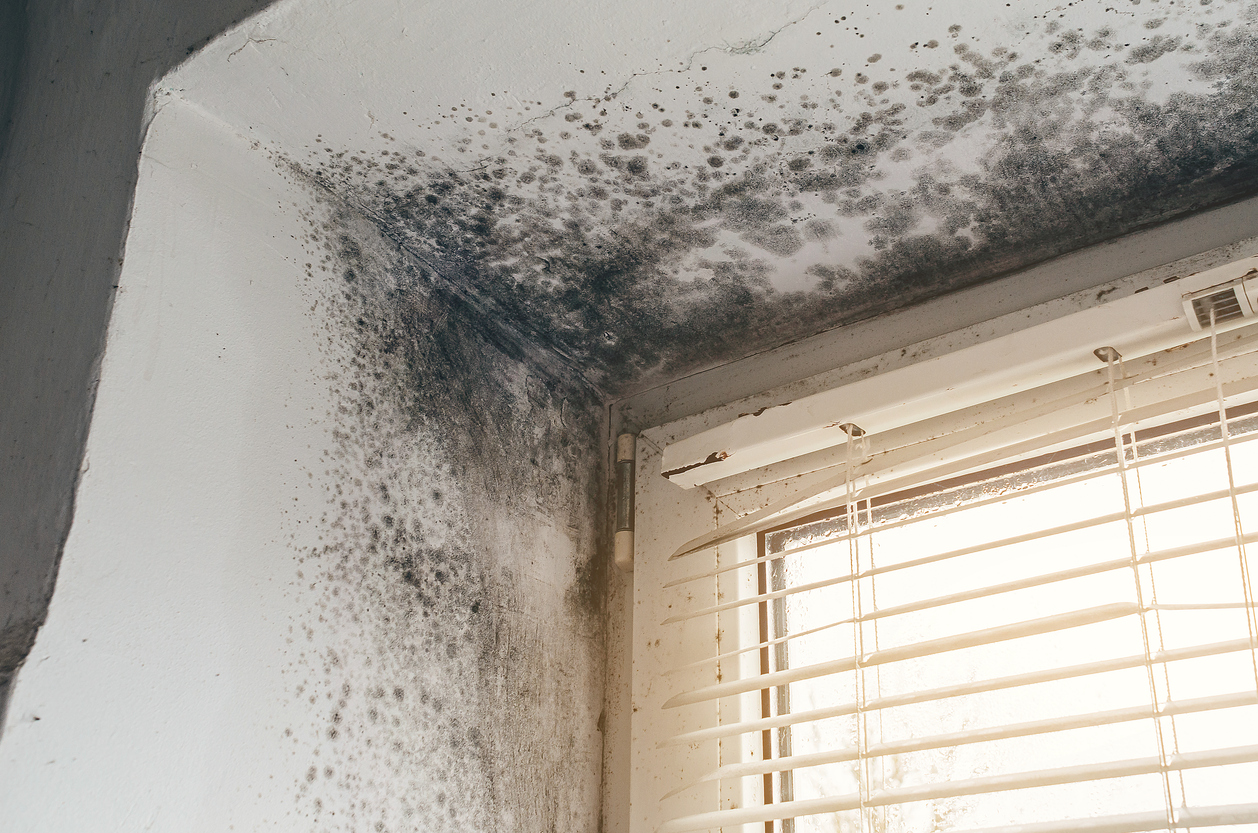
MOULD
Extended moisture exposure can create conditions for mould growth.
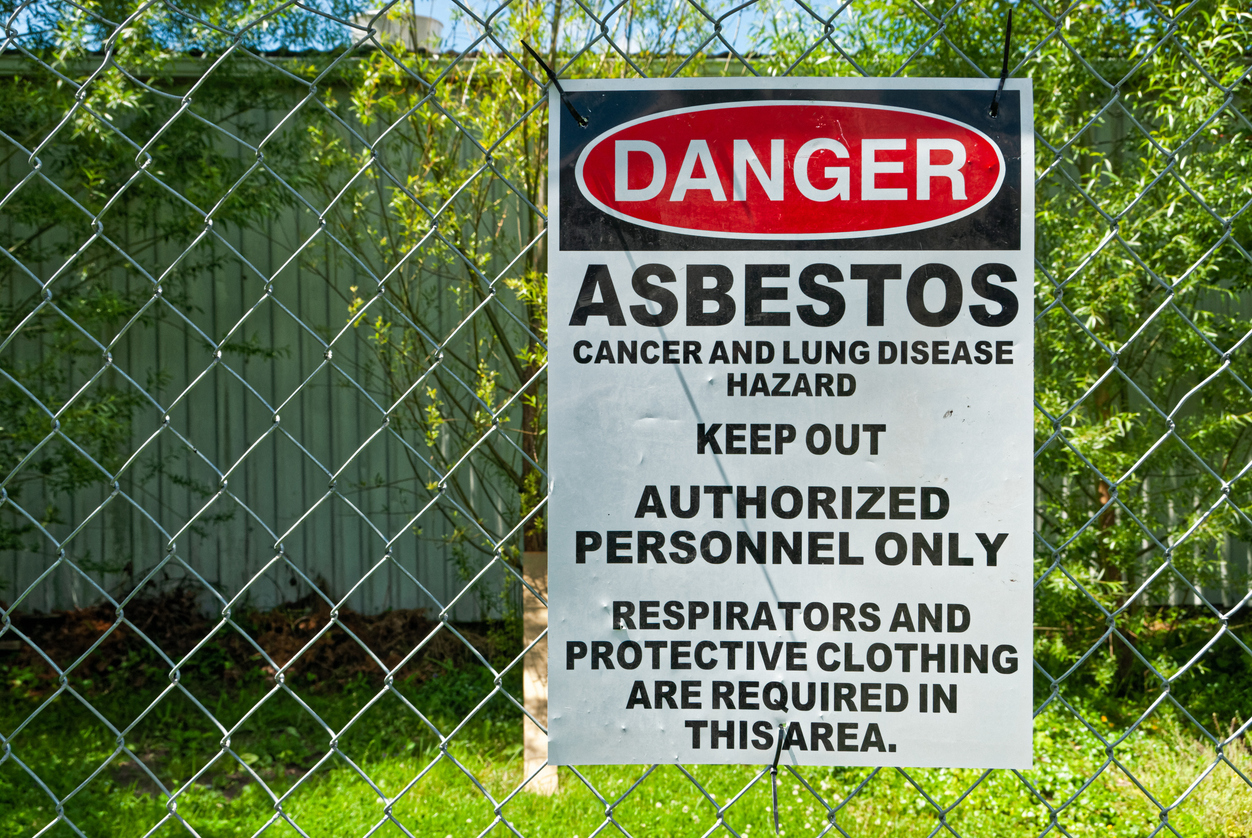
ASBESTOS
Older flooring, drywall compounds, insulation and other building materials may contain asbestos and may require assessment before disturbance.
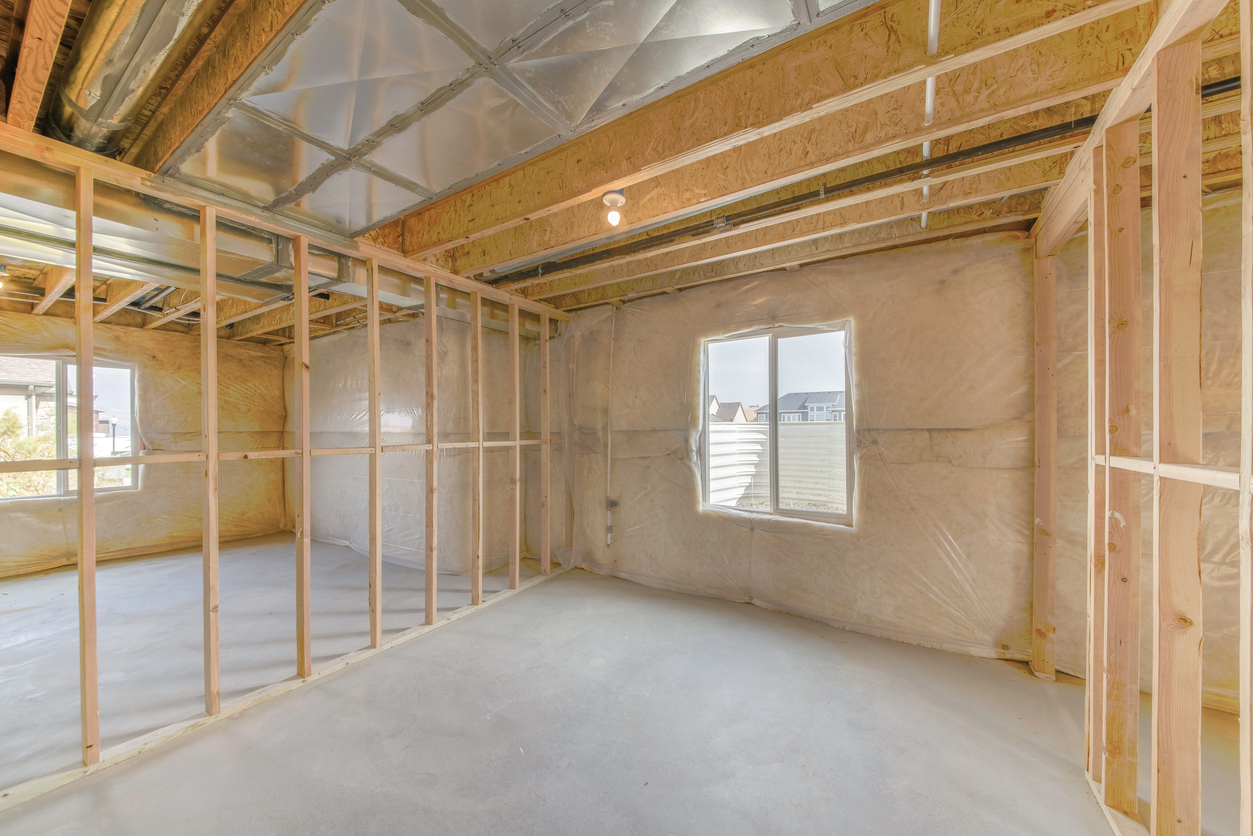
STRUCTURAL MOISTURE
Water can migrate beneath flooring and into walls, framing and other concealed areas.
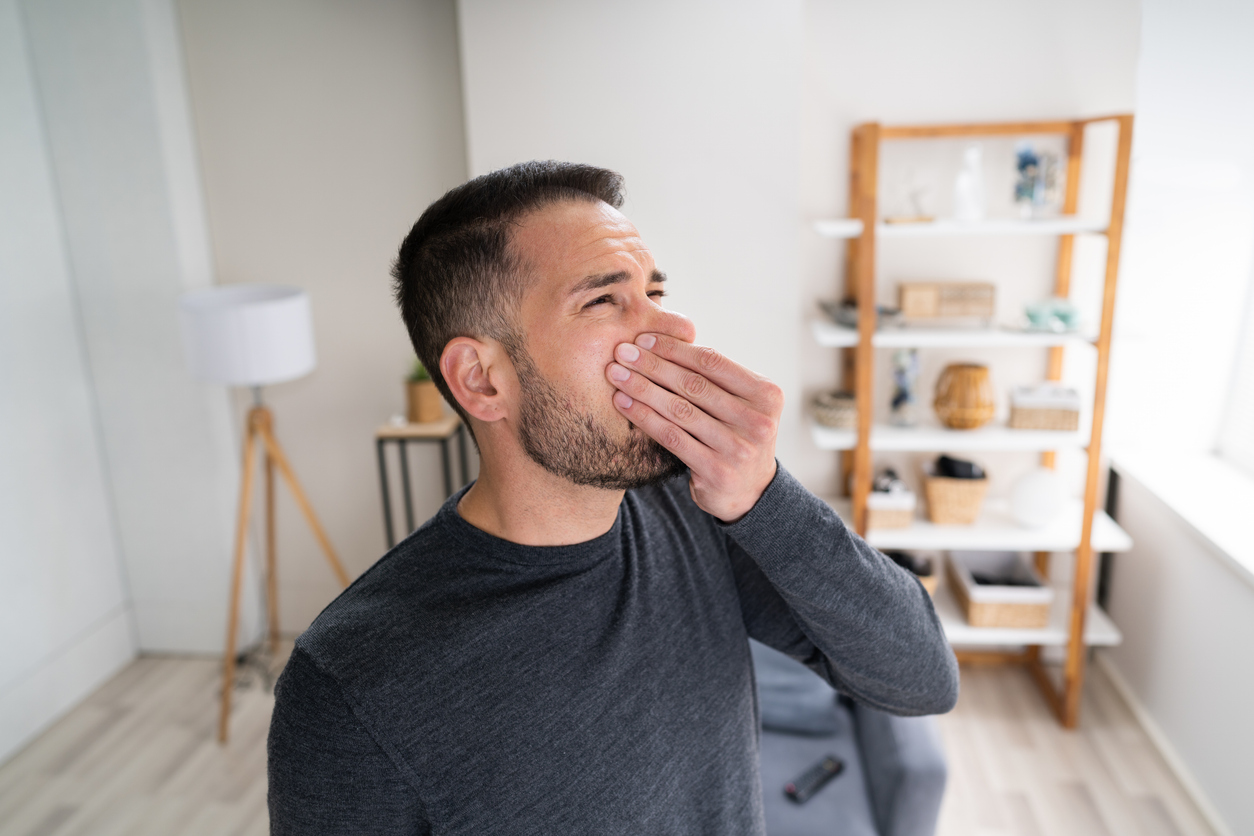
ODOUR
Contaminated materials can create persistent odours that may remain until the underlying source has been properly addressed.
One property. Multiple hazards. One coordinated remediation plan.
ASBESTOS & SEWAGE-DAMAGED PROPERTIES
Before Demolition Begins
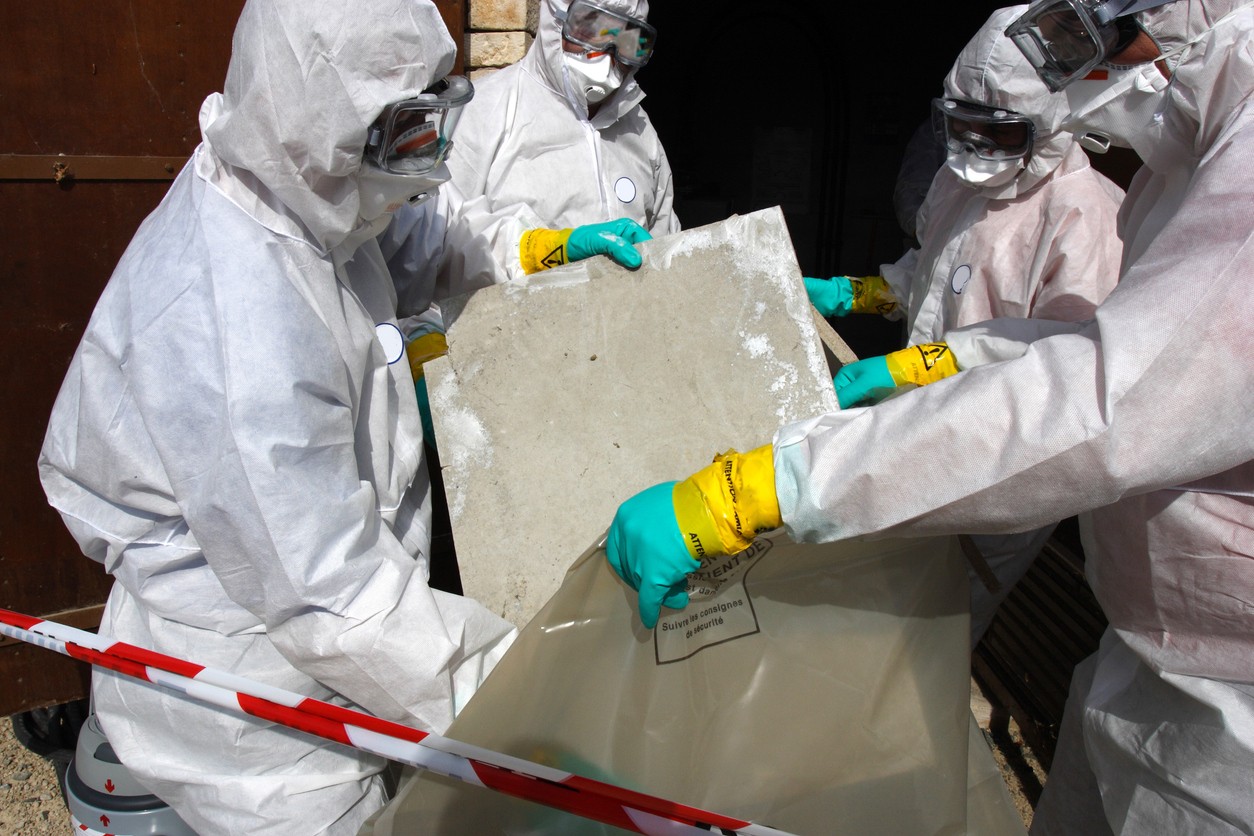
Older properties can contain asbestos in materials such as flooring, drywall joint compound and other building products.
When sewage contamination requires demolition, suspect materials may need to be assessed before they are disturbed.
If asbestos-containing materials are identified, appropriate abatement procedures can be incorporated into the remediation plan.
Emdecon provides professional asbestos abatement, allowing us to coordinate complex projects where asbestos is encountered during water or sewage restoration.
INSURANCE DOCUMENTATION
Documenting Your Sewage Loss
Some sewage and wastewater losses may be covered by property insurance depending on the cause of the backup and the terms of your policy.
Emdecon can provide project documentation such as:
- Photographs of affected areas
- Detailed scopes of work
- Estimates
- Moisture readings
- Equipment records
- Documentation of removed materials
- Invoices and project records
Your insurance provider ultimately determines coverage and reimbursement, but our team can provide documentation to support the claims process.
24/7 SEWAGE BACKUP RESPONSE.
Don’t Let a Sewage Backup Become a Bigger Property Problem.
Sewage contamination requires more than removing the visible water.
Emdecon can assess the damage, remove contaminated materials, clean and decontaminate affected areas, establish professional structural drying and address additional hazards discovered during remediation.
Serving Ottawa, Kemptville and communities throughout Eastern Ontario.
CALL 343-338-0031
SEWAGE BACKUP FAQ
Here are answers to some of the questions our clients have asked about sewage backup cleanup in Ottawa.
What should I do after a sewage backup?
Avoid unnecessary contact with the affected water and keep children and pets away from the contaminated area. If it can be done safely, stop the source of the backup and contact an appropriate plumbing professional if necessary. Then contact Emdecon so the affected areas can be assessed and a cleanup plan established.
Is sewage considered contaminated water?
Yes. Sewage-contaminated water is generally classified as Category 3 water because it may contain harmful biological contaminants and requires appropriate remediation procedures.
Can I clean up a sewage backup myself?
Very small incidents may differ, but significant sewage contamination can affect materials beyond the visible surface and expose occupants to potentially harmful contaminants. Professional assessment is recommended when sewage has affected building materials or a significant area of the property.
Does everything touched by sewage have to be thrown away?
Not necessarily. Whether an item or building material can be restored depends on factors such as its porosity, the extent of contamination and the condition of the material. Some non-porous materials may be effectively cleaned and decontaminated, while heavily contaminated porous materials may require removal.
How long does sewage cleanup take?
It depends on the size of the affected area, amount of contaminated material, required demolition and how long the structure takes to dry. Smaller losses may progress relatively quickly, while extensive contamination can require multiple stages of remediation and drying.
Can a sewage backup cause mould?
Yes. Sewage backups introduce moisture into the property, and prolonged moisture can create conditions favourable for mould growth. Prompt remediation and structural drying can help reduce the risk of secondary microbial growth.
Our process includes targeted cleaning, removal of affected materials when necessary, and professional deodorization to address odours at the source, not just mask them.
Do you handle demolition?
Yes. Where contaminated building materials cannot be appropriately restored, controlled removal may be incorporated into the remediation scope.
What if asbestos is found?
If suspect asbestos-containing materials may be disturbed during demolition, they should be appropriately assessed before work proceeds. Emdecon also provides asbestos abatement services when required.
Do you work with insurance?
Yes. We can provide estimates, photographs, moisture readings, scopes of work and other project documentation that may assist with an insurance claim. Coverage is determined by your insurance provider and policy.